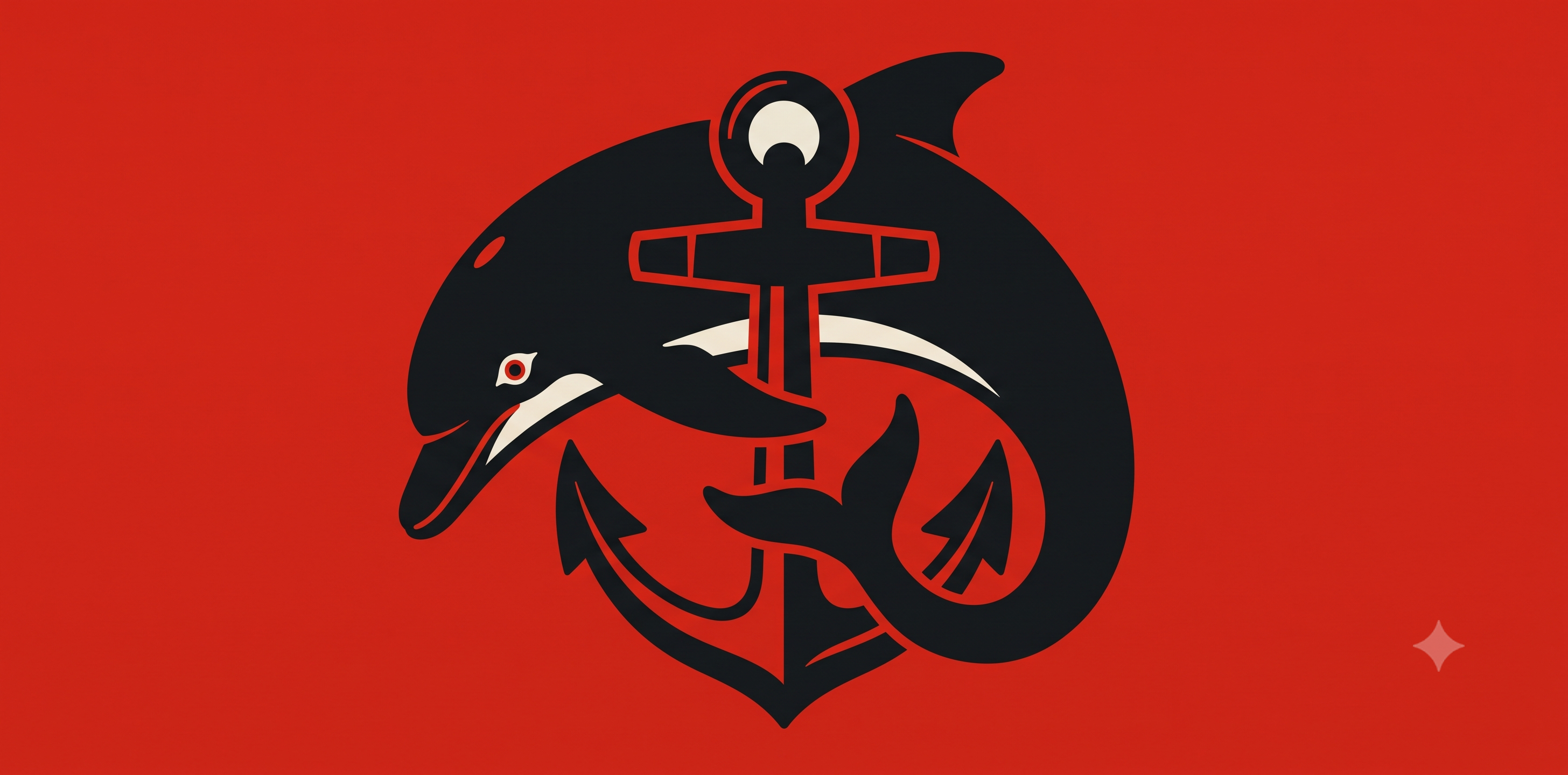
ونیز، ۱۵۰۱، و آنچه یک چاپگرِ رنسانسی هنوز میتواند به یک CMOِ مدرن بیاموزد
در پایانِ قرنِ پانزدهم، اروپا مسئلهای داشت. دستگاهِ چاپ، که پنجاه سال پیش از آن شایعهای از ماینتس بود، اکنون همهجا بود. بیش از هزار دستگاهِ چاپ در شاید دویست شهر. حدودِ بیست میلیون جلدِ چاپی در گردش، که بیش از کتابهایی بود که هزار سال کاتب توانسته بودند تولید کنند. بازار، به زبانی که یک استراتژیستِ مدرن ممکن است بهکار ببرد، بهشدت مقیاس گرفته بود، و کیفیتِ متوسط فروپاشیده بود.
بیشترِ آنچه از آن دستگاهها بیرون میآمد، آشغال بود. جزوههایی که با اشتباهاتِ تایپی به چاپ عجله شده بودند. بازچاپهای شلخته از هرچه فروش میرفت. آمرزشنامههای ارزانی که بهصورتِ انبوه از طرفِ کلیسایی چاپ میشدند که در آن زمان هنوز این کار را سودآور مییافت. متنهایی که در نسلها رونویسی فاسد شده بودند، اکنون در قالبِ حروفچینی و باز هم تکثیرشده. اسکریپتوریومِ دورهی پیشین کند بود، اما دستِکم راهبان چیزی را که مینوشتند میخواندند. دستگاههای جدید سریع بودند، و هیچکس بررسی نمیکرد.
کیفیت، که پیشتر تابعی از هزینه بود، دیگر بازار را دستهبندی نمیکرد. چاپ ارزان بود. چاپ محیطی بود. چاپ، بهگفتهی معاصرانِ آن دوره، به دستِ کسانی افتاده بود که هیچ اهمیتی به آن نمیدادند.
در این محیط، در ونیز، محققی حدوداً میانسال بهنامِ Aldus Manutius وارد شد. او چاپگر نبود. معلمِ لاتین و یونانی بود که یک دهه از عمرش را صرفِ آموزشِ پسرانِ خانوادهی Pio در Carpi کرده بود، و در آن سالها ایدهای ثابت دربارهی آنچه اروپا نیاز داشت شکل داده بود. بهطورِ مشخص، نسخههای معتبر از کلاسیکهای یونانی. نه به این دلیل که بازاری برایشان نبود. به این دلیل که بازاری بود و همه آن را بد سرویس میدادند.
Aldus چاپخانهاش را در ۱۴۹۴ در ونیز برپا کرد. تقریباً بیدرنگ، چهار کار کرد که از این فاصله دقیقاً شبیهِ یک راهنمای مدرنِ برند بهنظر میرسد.
نخستین، انضباطِ ویراستاری بود. او با بهترین محققانِ یونانیِ اروپا کار کرد، که چند تن از آنها را در خانهی خودش جا داد، تا نسخههایی از Aristotle، Aristophanes، Sophocles، Herodotus، Thucydides، Plato و Demosthenes آماده کند. بسیاری از اینها نخستین نسخههای چاپیِ آن متنها در غرب بودند. همهی آنها با دقتی آماده شده بودند که بازار پیشتر زحمتِ آن را به خود نداده بود. وقتی Erasmus خواست کتابِ Adagesِ خود را درست انجام دهد، به ونیز نقل مکان کرد و نُه ماه با Aldus زندگی کرد تا آن را به سرانجام برساند. این جریانِ کارِ یک چاپگرِ حجمی نبود. جریانِ کارِ خانهای بود که تصمیم گرفته بود برای چه چیزی وجود دارد.
دومین، یک قلمِ اختصاصی بود. در ۱۵۰۰، Aldus از حروفتراشی بهنامِ Francesco Griffo خواست حرفی جدید بتراشد، کج و شکسته، بر پایهی خطِ انسانگرایانهی کاتبانِ واتیکان. این همان ایتالیک شد. این یک تصمیمِ خوانایی، یک تصمیمِ برند، و یک تصمیمِ تجاری بود، همه یکجا. این به Aldus اجازه داد متنِ بیشتری در یک صفحه جا دهد، که به او اجازهی تصمیمِ سوم را داد، که تغییرِ شکلِ خودِ کتاب بود.
سومین، قطعِ اکتاوو بود. کتابها در قرنِ پانزدهم مبلمان بودند. بزرگ، گران، زنجیرشده به میزهای مطالعه، خواندهشده پشتِ میز. Aldus کلاسیکها را گرفت، در ایتالیکِ جدیدش تنظیم کرد، و در قطعِ جیبی صحافی کرد. آنها را libelli portatiles، کتابهای کوچکِ قابلِحمل، نامید، و کموبیش، دستهی مطالعهی خصوصی را اختراع کرد. نخبگانِ باسواد میتوانستند Virgil را در سفر همراه ببرند. میتوانستند Cicero را در باغ بخوانند. میتوانستند کتابخانهای شخصی داشته باشند، بهجای آنکه به یکی سر بزنند. این یک تاکتیکِ بازاریابی نبود. رابطهای جدید میانِ خواننده و متن بود، و Aldus آن را ساخته بود.
چهارمین، نشان بود. در ۱۵۰۲، Aldus نمادی برگزید: دلفینی پیچیدهدورِ یک لنگر. تصویر از یک سکهی روم باستان آمده بود که هدیهی یکی از حامیانش بود، خودش ارجاعی به شعاری که Suetonius به Augustus نسبت داده بود. Festina lente. شتاب کن، اما آرام. سریع حرکت کن، اما با قصد. دلفین سرعت بود. لنگر پایداری بود. Aldus این نشان را روی هر کتابی که تولید میکرد گذاشت، و آن شعار را در استدلالِ خودِ خانه بافت. این چیزی است که ما هستیم، این میگفت. اینگونه کار میکنیم. بر همین اساس بخرید.
Aldine Press، بر اساسِ استانداردهای حجمیِ چاپِ ونیزی، عملیاتی متواضع بود. Aldus هیچکس را از نظرِ فروش پشتِ سر نگذاشت. کاری که در عوض کرد این بود که به نقطهی ثابتی در بازاری تبدیل شد که توانِ دستهبندیکردنِ خود را از دست داده بود. محققان نسخههای Aldine را با دیدن میخریدند. تقلیدکنندگان، با احساسِ فرصتی، شروع به چاپِ دلفینهای جعلی روی کتابهای نامرغوب کردند، به حجمی که در ۱۵۰۲ سنایِ ونیز علیهشان قانون وضع کرد. به Aldus چیزی اعطا شد که بیشترِ مورخان آن را نخستین حمایتِ مدرنِ علامتِ تجاری میدانند. این تعریف، از نوعِ تعریفهای نیشدار بود. همچنین قاطع بود.
دلفین و لنگر امروز هم هنوز در استفادهاند. جانشینانِ گوناگون این نشان را در طولِ پنج قرن حفظ کردهاند، اخیراً امتیازِ چاپِ Doubleday، بخشی از Penguin Random House. که Aldine Press را به یکی از قدیمیترین برندهای پیوستهفعال در تاریخِ تجاری تبدیل میکند.
نکتهی روایتِ این داستان اکنون، در ۲۰۲۶، این است که همه در ونیزِ پایانِ قرنِ پانزدهم با همان ابزارهای تولید کار میکردند. چاپ برتریِ Aldus نبود. برتری، مزیتِ رقابتیِ واقعی، مجموعهی تصمیمهایی بود که او دربارهی اینکه آن ابزارها برای چه هستند گرفت. استانداردِ ویراستاری. صدای تایپوگرافیک. قالبِ محصول. نشانی قابلِشناسایی. شعاری که سپس مجبور بود در سطحِ آن زندگی کند. او بر بازار پیشی نگرفت. آن را از نظرِ انسجام پشتِ سر گذاشت.
مدلِ زایشی را جایگزینِ دستگاهِ چاپ کنید و شباهت تقریباً بهطرزِ شرمآوری مستقیم است. ابزارها از نظرِ هزینه فروپاشیدهاند. بازار سیلآسا شده. کیفیت دیگر دستهبندی نمیکند، چون جلا اکنون پیشفرض است و هیچکس نمیتواند بگوید ارائهی چه کسی از کجا آمده. برندهایی که اهمیت خواهند داشت، دوباره، آنهایی خواهند بود که تصمیم میگیرند چه هستند و آن تصمیم را در سراسرِ هر سطحی که خریدار لمس میکند حفظ میکنند. آنهایی که این کار را نمیکنند، از نظرِ فنی، در مجموعه حضور خواهند داشت، و برای هیچکسِ خاصی خوانا نخواهند بود.
Festina lente شعارِ بدی برای این عصر نیست. سریع حرکت کن. زیاد حرکت کن. اما با ستونفقرات، نشان، و موضعی بیانشده حرکت کن. وگرنه این ابزارها هستند که از طرفِ شما تولید میکنند و هیچکس، حتی خودتان، نمیتواند دقیقاً بگوید برای چه.
دستگاههای چاپ یکسان بودند. دلفین تفاوت بود.
مالِ خودتان را بکشید.
Plan B یک مشاورهی برند و استراتژی است. ما به سازمانها کمک میکنیم برای انسانها، ماشینها، و خودشان خوانا شوند.