Ben Shipley — full bio
Why do some brands take hold and others don't?
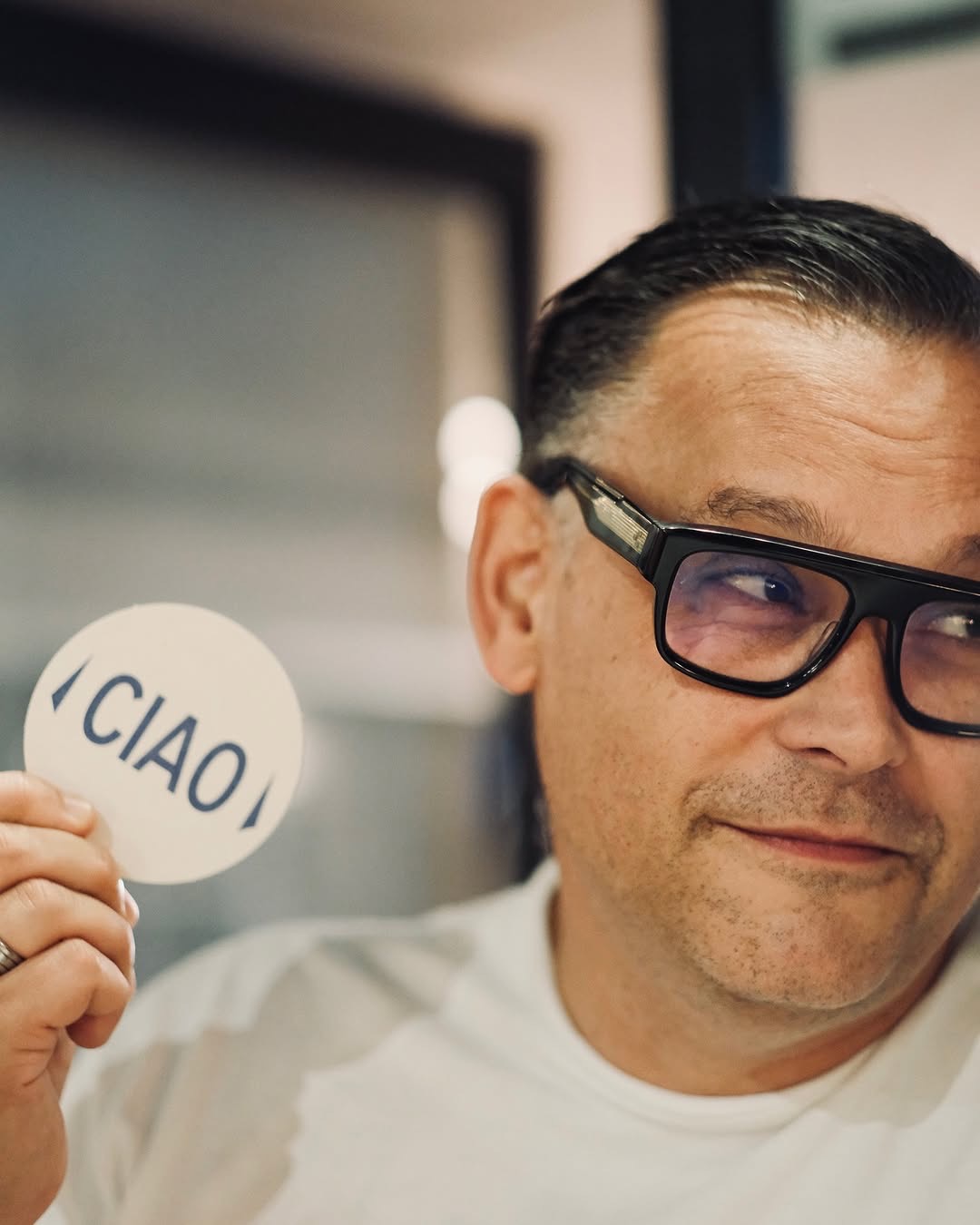
The question has always been the same. Why do some brands take hold and others don't?
Not why some brands are liked. Not why some win awards. Why some change the way a market thinks about a company, and others sit politely in the brand guidelines PDF and never leave.
Ben Shipley has spent twenty years in the places where that question gets answered. Not in theory. In the room, with the budget, with the board watching, with the outcome on the line.
It started in Shanghai. The mid-2000s. Ben left an early career that felt too comfortable and moved to China to figure out what he didn't know, which turned out to be most things. He established a wholly foreign-owned enterprise and built a creative boutique designed to read the Chinese market from the inside rather than interpret it from the outside.
The first real client work was 42 Below, the New Zealand vodka brand, entering a market that had no reason to care about it. The working principle was simple and hasn't changed since: find where a brand can earn genuine cultural permission before it tries to compete. In Shanghai that meant emerging artists, architects, and advertisers. It meant building moments that made the local audience feel understood while making Western competitors feel exposed.
42 Below took hold. The competitors noticed. But the lesson was bigger than the brand. Cultural credibility comes before commercial credibility. A market doesn't respond to translated assumptions. It responds to being understood. Every engagement since has started from that premise.
From Shanghai into agency leadership. At Hill+Knowlton, Ben ran creative and digital strategy across APAC. Coca-Cola, Roche, Air New Zealand, Optus. The kind of clients where the work has to survive committee, procurement, and six layers of approval before it reaches the audience. The discipline of making ideas sharp enough to survive that journey without losing their edge is a different skill from having the ideas in the first place. Both matter.
Cannes Lions Judge, 2015. A year spent looking at the best creative work on the planet and forming a private opinion about the gap between what wins awards and what changes outcomes. That gap informed everything that came after.
At Ovato, the question changed shape. Ovato was Australia's largest print conglomerate, and the category was in structural decline. The market was contracting year on year.
Ben ran marketing and innovation through that period. The approach was to apply data to client goals, find the points where existing customers could be moved to reconsider, and drive revenue growth from a base everyone had assumed was tapped out. It worked. But the bigger lesson was transferable. In a declining category, brand work isn't a luxury. It's the mechanism that buys the business time to reinvent.
The Fortescue years defined what Plan B became.
Fortescue had built two businesses the market refused to hold together. Fortescue Metals Group, the iron ore giant. Fortescue Future Industries, the green energy contender. Investors were pricing them apart. Partners were confused. Governments were watching. The company needed the market to believe in a future the revenue hadn't yet proved.
As Global Head of Brand, Ben led the strategy to unify both businesses under a single Fortescue identity. A new green circle mark. Metals, energy, and technology reading as one architecture. Delivered across ninety-plus countries for under US$10 million. The architecture is still in use. It was built to be.
A Rick and Morty partnership reached 5 million consumers and placed a green hydrogen company into mainstream pop culture for the first time, in a category with zero prior cultural currency. A MINEX launch reframed how the global mining industry read Fortescue, arriving like a tech company at a heavy equipment show.
Over three years the work reached Kings, Queens, Presidents, and Prime Ministers. It reached the climate community, investors, and the UN General Assembly. Green hydrogen supports were included in the US Inflation Reduction Act, which passed on Joe Manchin's decisive 50th vote. Brand and advocacy were two of the instruments.
The Fortescue years taught lessons that don't appear in most brand strategy frameworks. How to hold a position when the market isn't ready to reward it. How to know when the brand is ahead of the business and when the business has caught up. How to build an architecture that survives ninety countries and three governments without becoming generic.
Plan B exists because that kind of thinking rarely survives inside a large agency, organisation, or opportunity.
The name is deliberate. Plan B isn't the backup. It's the alternative to the obvious move, the expected agency, the strategy that would have been fine. Fine isn't the standard. The standard is work that changes the trajectory of the business it serves.
Ben takes a small number of engagements at any one time. The thinking stays sharp because it isn't divided. The clients range from large corporates navigating transformation to ambitious founders scaling into territory that requires a different calibre of strategic thinking. Size matters less than the stakes.
Outside the work. Ben is Chair of the STXBP1 Foundation, advocating for children and families affected by STXBP1 disorder. He locked for Canterbury in schoolboy rugby, lumberjacked for New Zealand, and had a lot of time on his hands as a kid, access to a tig welder, and petrol.
Based in Sydney. The work is not.