العمل مع علامات صناعة السيارات في الصين في مطلع الألفينيات كان درساً بحد ذاته. كل جناح في معرض السيارات كان محاطاً بعارضات. أزياء فينيل، ابتسامات ثابتة، وكل واحدة تتخذ زاوية نحو الجمهور بحيث يقدّم كل جانب أصلاً مميزاً.
كان مشهداً صادماً لأي متخصص تسويق، ومُوضِّحاً في الوقت نفسه. سلوك الفئة كان واضحاً، وهو ما يعني أن طريقة التميّز كانت واضحة أيضاً. أبعد العارضات. كن الجناح الوحيد الذي يستطيع المشتري أن يقترب منه ويرى السيارة فعلاً.
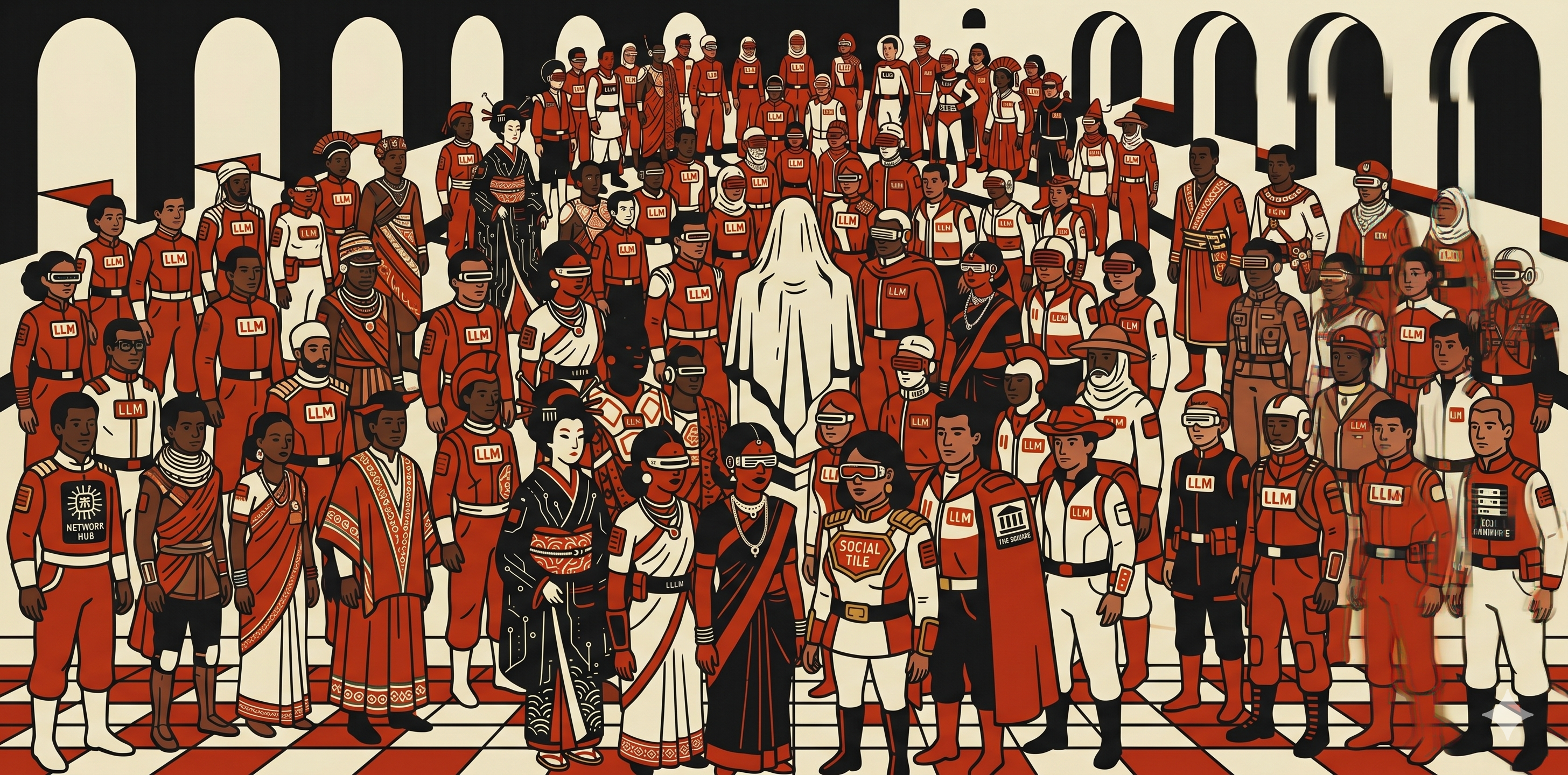
بعد أكثر من عشرين عاماً، عادت كل علامة تجارية لتكون محاطة بعارضات من جديد. هذه المرة، إبعادهنّ ليس الحل، وسلوك الفئة لم يبدُ يوماً أقل وضوحاً مما هو عليه الآن. فالعارضات اليوم نماذج لغوية ضخمة، لا تُزيّن جناحك، بل تقرر ما إذا كان أحد سيسمع باسمك أصلاً.
فاسأل واحداً منها. اطرح عليه سؤالاً تملك فئتك إجابته. من هم أفضل استراتيجيي العلامات التجارية المستقلين في سيدني. أي الشركات تقوم بأعمال التموضع لصالح الجهات المُقرِضة المُدرَجة في بورصة ASX. سيجيب النموذج دون تردد. سيذكر أسماءً. والسؤال الوحيد المهم هو ما إذا كان أحدها اسمك.
إن لم يكن كذلك، فردّ الفعل المعتاد هو افتراض أن العمل ليس قوياً بما يكفي أو أن الحضور ليس كبيراً بما يكفي. غالباً ليست هذه المشكلة. غالباً، النموذج ببساطة لا يستطيع أن يعرف ماهيتك.
من قابل للعثور عليه إلى قابل للقراءة
لعشرين عاماً، كانت الصفحة هي وحدة الظهور. كنت تُحسِّن الصفحات، وتتصدّر الترتيب، وكان بإمكان الصفحة أن تتسلّق النتائج دون أن يكون أحد، بشراً أو آلة، متأكداً مما يقف خلفها. الترتيب كان مسابقة شعبية، والشعبية كانت تكفي بديلاً عن الفهم.
النماذج لا تعمل بهذه الطريقة. النموذج لا يجلب صفحة ويسلّمها لك. بل يُركّب إجابة مما يفهمه، ولا يمكنه أن يفهم إلا الكيانات التي يستطيع تحديدها. اسماً يمكنه ربطه بشيء. شيئاً يمكنه وضعه في العالم. ادعاءات يمكنه استخلاصها دون تخمين. البحث كان يكافئ الصفحات. النماذج تكافئ الكيانات. هذا هو التحوّل بأكمله، ومعظم العلامات التجارية لم تلاحظ بعد أنه حدث.
هذا هو الانتقال من كونك قابلاً للعثور عليه إلى كونك قابلاً للقراءة. الأمران ليسا متطابقين، والفجوة بينهما هي حيث تختفي العلامات التجارية الجيدة بهدوء.
وكالة تتفوّق كتابةً على الآلات، لكنها غير مقروءة لدى الآلات
نظرتُ مؤخراً إلى وكالة كتابة إعلانية. وكالة جيدة. عملاء حقيقيون، من النوع الذي تتعرّف عليه لأول وهلة. كل عرضها التقديمي مبني على أن الكتابة البشرية تتفوّق على الركاكة المتدفقة من مراكز البيانات. حادّة، مضحكة، ومناهضة للذكاء الاصطناعي بفخر وعلانية.
إنها شبه غير مرئية للذكاء الاصطناعي.
الموقع يُعرض بنظافة، فتحصل الزواحف على النص. وهنا ينتهي الخبر السار. اسم العلامة التجارية هو أيضاً اسم شائع، بحيث لا يملك النموذج طريقة لمعرفة ما إذا كان الاستعلام يخص الوكالة أم ذلك الشيء الذي يُوضع في الهوت دوغ. المؤسس يظهر فقط باسمه الأول، دون أي شيء يميّزه عن كل شخص آخر على قيد الحياة يحمل الاسم نفسه. لا توجد بيانات مُهيكلة، لذا فإن الحقائق التي يريدها النموذج فعلاً، العملاء، الموقع، الإثباتات، تجلس على الصفحة كزخرفة غير مرتبطة بدلاً من أن تكون علاقات مذكورة بوضوح. وليس هناك الكثير منها أصلاً. حفنة من الصفحات. سطح شبه معدوم للاستشهاد به.
لذا حين يسأل مشترٍ نموذجاً عن كاتب إعلاني جيد، فإن الوكالة التي بنت اسمها على تفوّقها الكتابي على الآلات لا تظهر أبداً، لأن الآلات لا تستطيع قراءتها. المفارقة تامة. وهي أيضاً أكثر أنواع الفشل شيوعاً التي أراها، ولا علاقة لها تقريباً بجودة العمل.
مشكلة علامة تجارية في زيّ تقني
هنا الجزء الذي تُغفله معظم نصائح الظهور. هذه ليست مشكلة تقنية بحلّ تقني. إنها مشكلة علامة تجارية ترتدي زيّاً تقنياً.
الأسباب التي تجعل علامة تجارية غير مقروءة لنموذج ما هي غالباً الغرائز نفسها التي تجعلها جيدة في نظر إنسان. الصوت على حساب الحقيقة. التلميح على حساب التصريح. الثقة بترك الأشياء دون قول لأن إنساناً سيملأ الفراغ. النموذج لا يملأ الفراغ. ليس لديه فراغ ليملأه. إنه يقرأ ما هو مكتوب على الصفحة، وإذا كان ما هو مكتوب كله نبرة بلا جوهر، فإنه يستنتج أنه لا يوجد ما يُقال عنك، فلا يقول شيئاً.
التميّز كان يوماً كل اللعبة. كن مختلفاً، كن لا يُنسى، امتلك شعوراً. هذا لا يزال مهماً، ولا يزال ناجحاً، مع البشر. لكن هناك الآن قارئاً ثانياً في الغرفة. إنه يتوسّط في اكتشافك أكثر مما تظن، ولا يستجيب للشعور، بل يستجيب بدلاً من ذلك لقابلية التحديد. أن تكون مقروءاً للآلة أصبح الآن جزءاً من أن تكون متميزاً، لأن التميّز الذي لا يستطيع أحد استرجاعه هو تميّز لا يصادفه أحد.
الانضباط نفسه، موجّهاً نحو الخارج
في وقت سابق من هذا العام كتبتُ "العلامة التجارية داخل الآلة"، والإطار الذي يقوم عليه، Brand Sentinel. تلك المقالة وجّهت الانضباط نحو الداخل. ترميز حكمك العلامي داخل أدوات الذكاء الاصطناعي التي يستخدمها فريقك، بحيث يسافر الاتساق مع العمل بدلاً من أن يتخلّف عنه.
هذا هو الانضباط نفسه، موجّهاً هذه المرة في الاتجاه الآخر.
الترميز، الطبقة الأولى، كان يتعلق بجعل استراتيجيتك دقيقة بما يكفي ليستدل عليها نموذج. حوّل ما لم يُقَل إلى ما هو مُصرَّح به. اجعل غير القابل للتفاوض ثنائياً. تلك التعليمة كُتبت لأنظمتك الداخلية. وهي تنطبق بالقدر نفسه من الصرامة على النماذج المفتوحة التي تصفك الآن لأناس لن تقابلهم أبداً. الغموض نفسه الذي يسمح للانحراف بالتسلل إلى أدواتك الداخلية هو الغموض نفسه الذي يجعلك غير قابل للتحديد عند الجميع سواك.
رمِّز نحو الداخل ليبقى فريقك صادقاً. رمِّز نحو الخارج لتستطيع أدوات العالم أن تقرأك أصلاً. انضباط واحد، اتجاهان.
ماذا يعني هذا فعلياً على أرض الواقع
سأُبقي هذا مختصراً، لأن الحلول أقل إثارة بكثير من التحوّل في التفكير الذي ينبغي أن يسبقها.
اجعل كيانك قابلاً للتحديد. اسماً يستطيع نموذج تثبيته، ومؤسساً يستطيع تحديد موقعه، وروابط تربطك ببقية أثرك الرقمي. وثِّق الحقائق ببيانات مُهيكلة. اذكر العملاء والموقع والإثباتات كعلاقات مُهيكلة بدلاً من تركها نصاً عائماً. اكتب فقرة واحدة واقعية بحتة في مكان ما على الأقل، فقرة يستطيع نموذج اقتباسها دون أن تعترضها النكات. وأعطه ما يكفي ليعمل عليه. موقع هزيل يعني إجابة هزيلة.
لا شيء من هذا يكلفك صوتك. الصوت للبشر. الحقائق للآلة. العلامة التجارية التي لا تستطيع حمل الاثنين معاً ستخسر نصف جمهورها الذي يصل الآن عبر نموذج، ولن تراه يرحل أبداً، لأنه لم يكن مرئياً أصلاً منذ البداية.
الخيار الذي تملكه فعلاً
الآلات تصف علامتك التجارية بالفعل. الآن، في محادثات لست جزءاً منها، لأناس يقررون ما إذا كانوا سيتصلون بك. لا خيار لك في الانسحاب من ذلك. الخيار الوحيد الذي تملكه هو ما إذا كان النموذج يصفك أنت، أم يصف أفضل تخمين له عنك.
اختر واحداً.