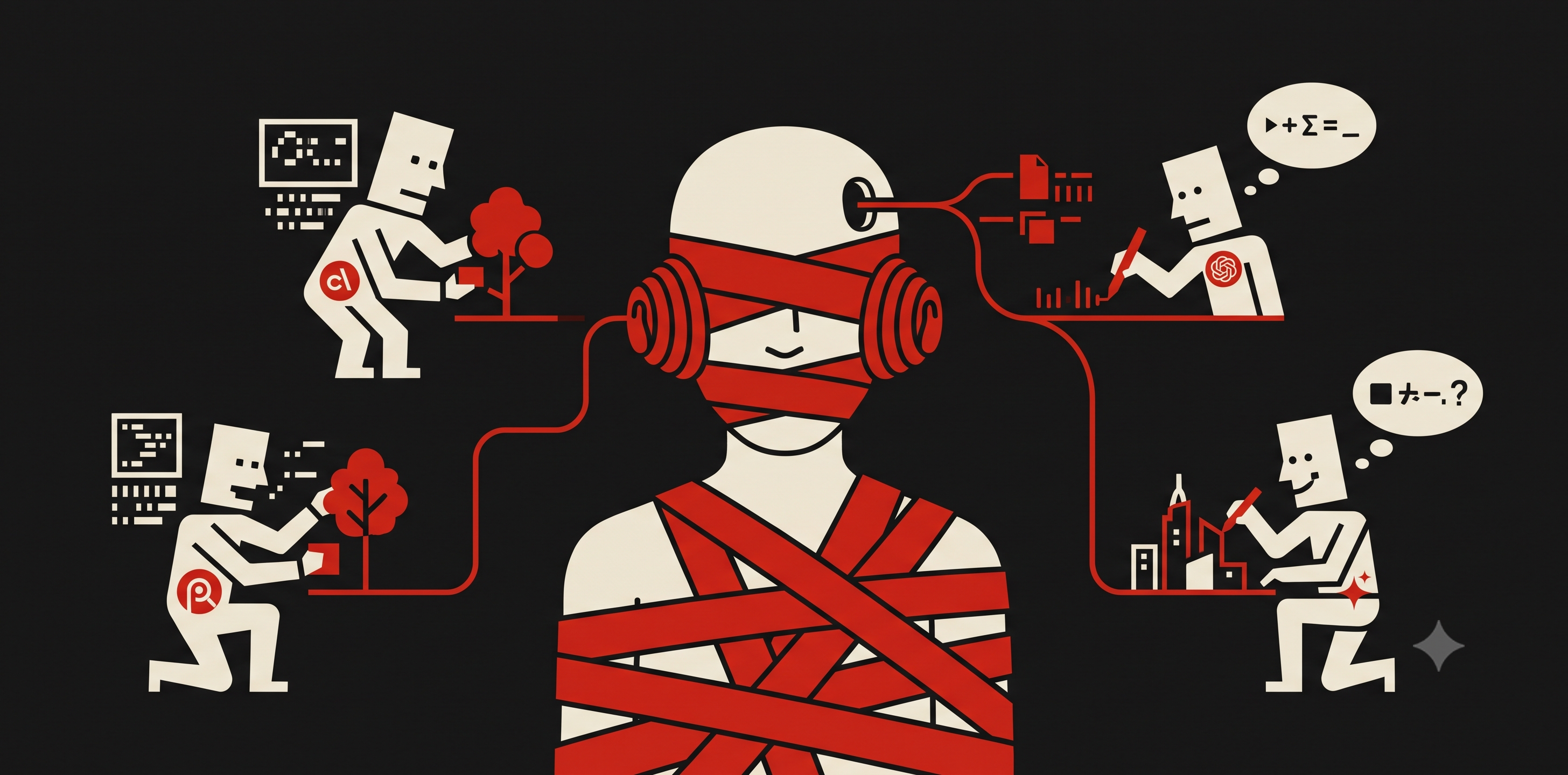
جایی، همین حالا، یک ایجنتِ هوش مصنوعی دربارهی کسبوکارِ شما به یک خریدار توضیح میدهد. او شما را درونِ یک رابطِ گفتگو خلاصه میکند. شما را در یک فهرستِ کوتاهِ تدارکات که یک تحلیلگر با یک پرامپت ساخته رتبهبندی میکند. درونِ یک افزونهی Gmail است که تصمیم میگیرد آیا ایمیلِ نمایندهی فروشِ شما اصلاً ارزشِ نمایشدادن دارد یا نه. پاسخش ممکن است درست باشد. پاسخش ممکن است چاپلوسانه باشد. پاسخش ممکن است آمیزهای باشد از زبانِ رقبایتان، بازطراحیِ آخرِ وبسایتِ شما از ۲۰۲۲، و یک تاپیکِ Reddit که هرگز نمیدانستید وجود دارد.
شما در اتاق نیستید. هرگز هم نخواهید بود.
به وضعیتِ پیشفرضِ جدیدِ برندِتان خوش آمدید.
برای بیست سال، بازاریابان بهدنبالِ سئو بهعنوانِ انضباطِ قابلِیافتنبودن دویدهاند. قابلِیافتنبودن بازی بود چون جستوجو دروازه بود، و رتبهبندیها امتیازشمار بودند. آن بازی متوقف نشده. اما بهآرامی درونِ بازیای بزرگتر تا شده، که قابلِتوصیفبودن است. و قابلِتوصیفبودن، در ۲۰۲۶، پرسشی دربارهی ماشینهاست.
چون خریدارِ شما دیگر از Google شروع نمیکند. او از Claude، یا ChatGPT، یا Perplexity، یا یک ایجنتِ درونِ CRMش که پیش از جلسه او را توجیه میکند شروع میکند. خروجیای که میبیند فهرستی از لینکها نیست. یک پاراگراف است. گاهی یک جدول. گاهی توصیهای، محتاطانه. هرچه باشد، یک خلاصه است، و خلاصه توسطِ ماشینی نوشته شده که هرچه به مجموعهاش رسیده خوانده. شامل یا مستثنیِ شما. منصفانه یا غیرِ آن. اخیراً یا نه.
بسیاری هنوز نگران نیستند. Google هنوز ۹ از ۱۰ جستوجو را در اختیار دارد. آنهایی که با دقت نگاه میکنند میدانند ۶۸٪ از جستوجوها بدونِ کلیک پایان مییابند. سالِ گذشته ۶۰٪ بود. Google برای نیمی از جستوجوهایش خلاصههای هوش مصنوعی ارائه میدهد و جستوجوی هوش مصنوعی را در سراسرِ اندروید عرضه میکند. هموارشدن بر ما فرود آمده.
میتوانید این را خودتان در حدودِ نود ثانیه آزمایش کنید. یک مدلِ پیشرو باز کنید. از او بخواهید شرکتِ شما را برای یک CFOِ میانبازار توصیف کند. پاسخ را طوری بخوانید که انگار خودِ آن CFO هستید. از خودتان بپرسید. آیا این ماییم. آیا این همان دیدگاهی است که سالها صرفِ تیزکردنش کردهام. آیا به همان مثالهایی میرسد که من میرسیدم. یا مرا در میانگینِ دستهام صاف کرده، مؤدب و عمومی و دقیقاً به رنگِ هر رقیبی در آن فهرستِ کوتاه.
بیشترِ شرکتها این آزمون را بد رد میشوند. نه چون مدلها احمقاند. چون موادِ خامی که مدلها روی آن آموزش دیدهاند به یک برند نمیرسد. به یک دسته میرسد. صد بیانیهی مطبوعاتی، چهلهزار کلمه متنِ صفحهی اصلی، چند مطالعهی موردی که همه از عبارتِ «شریکِ قابلِاعتماد» استفاده میکنند، و پستِ LinkedInِ یک بنیانگذار از ۲۰۱۹. مدل کاری را میکند که قرار است بکند. میانگین میگیرد. و میانگینِ خروجیِ بیشترِ شرکتها عمومی است، چون بیشترِ شرکتها یک دهه است خروجیِ عمومی را در مقیاسِ صنعتی تولید کردهاند، و اکنون، زنده، دارند کشف میکنند چه ساختهاند.
این هم تحول است. مکالماتِ خریدارانی که در آنها حضور ندارید اکنون کانالِ غالبی هستند که از طریقِ آن برندِ شما درک میشود. یعنی موادِ خامی که همهجا، برای همیشه منتشر میکنید، زیرساختِ برند است. نه موادِ بازاریابی. زیرساخت. مدلها آن را میخورند. ایجنتها به آن استناد میکنند. خریدار پیش از آنکه هرگز جلسهای با شما داشته باشد از آن برداشتی میسازد.
دو پیامد، هر دو ناراحتکننده.
نخست این است که ناهماهنگی اکنون به شیوهای که پیشتر نبود فاجعهبار است. وقتی یک انسان وبسایتِ شما را میخواند، انحراف میانِ صدای صفحهی اصلی و صدای صفحهی فرصتهای شغلی و صدای صفحهی قیمتگذاری را میبخشید. یک مدل نمیبخشد. یک مدل میانگین میگیرد. اگر صدای شما پراکنده است، خلاصهی ماشینیِ شما پراکنده است. اگر دیدگاهِ شما قابلِمذاکره است، خلاصهی ماشینیِ شما عمومی است. دیگر خوانندهی بخشندهای وجود ندارد.
دوم این است که راهحل محتوای بیشتر نیست. محتوای منسجم است، تولیدشده در برابرِ مشخصهای آنقدر دقیق که یک ماشین بتواند آن را یاد بگیرد. صدای رمزگذاریشده. موضعهای مشخص. زبانی که از آن دفاع میکنید نه آنکه بر سرش مذاکره کنید. تکرارِ همان ادعاها، با همان کلمات، در هر سطحی که مدلها میخوانند. این سئوی نسخهی ۲ نیست. انضباطی نزدیکتر به آن چیزی است که مهندسان به آن قراردادِ API میگویند. برندِ شما باید در سراسرِ هر سطحی که یک ماشین ممکن است لمس کند، قابلِخواندن، قابلِفراخوانی، و قابلِپیشبینی باشد.
بیشترِ CMOها هنوز روی کمپینها هزینه میکنند. کمپینها نمیتوانند یک ایجنت را تغذیه کنند. کمپینها دورهایاند. ایجنتها محیطیاند. داراییای که اکنون اهمیت دارد، مجموعهی پایدارِ منسجم و مشخصی است که مدل هر بار خریداری دربارهی شما میپرسد با آن مشورت میکند.
تصمیم بگیرید که هستید. هر بار به همان شکل بگویید. همهجا منتشرش کنید.
پیش از آنکه ماشینها خودشان تصمیم بگیرند این کار را بکنید.
چون از پیش دارند این کار را میکنند. و قرار نیست اول با شما هماهنگ کنند.
Plan B به سازمانها کمک میکند برای انسانها، ماشینها، و خودشان خوانا شوند. اگر میخواهید بدانید یک مدل شرکتِ شما را چه میداند، از آن بپرسید. سپس با ما تماس بگیرید.