"For this will produce forgetfulness in the souls of those who learn it, through neglect of memory. Trusting in this writing, they are reminded from outside by alien marks, not from within by themselves. You have found a drug not for memory, but for reminding."
Plato in Phaedrus, twenty-four centuries ago. Railing against the alphabet. He would have been calling for guardrails. He definitely would have had a Substack.
Writing was going to kill memory. Print was going to spiritually hollow out the monk who copied by hand. The novel was going to corrupt the moral interior of young women. The gramophone was going to end amateur music-making in the home. The internet was going to collapse sustained attention. The Vedic Brahmins kept their texts oral for three thousand years to protect the sound they believed carried the meaning. Qing officials blocked telegraphs on fengshui grounds and burned down 227 poles in a single year of resistance. The scare has never not been running, in any civilisation, against any new form.
And the scare has never been entirely wrong.
Writing did weaken trained memory. Virtually no one today recites the Iliad from end to end. The scriptorium is a museum. Amateur piano in the home declined on roughly the schedule Sousa predicted in 1906. The mean skill, in each case, moved.
But the mean is not the story.
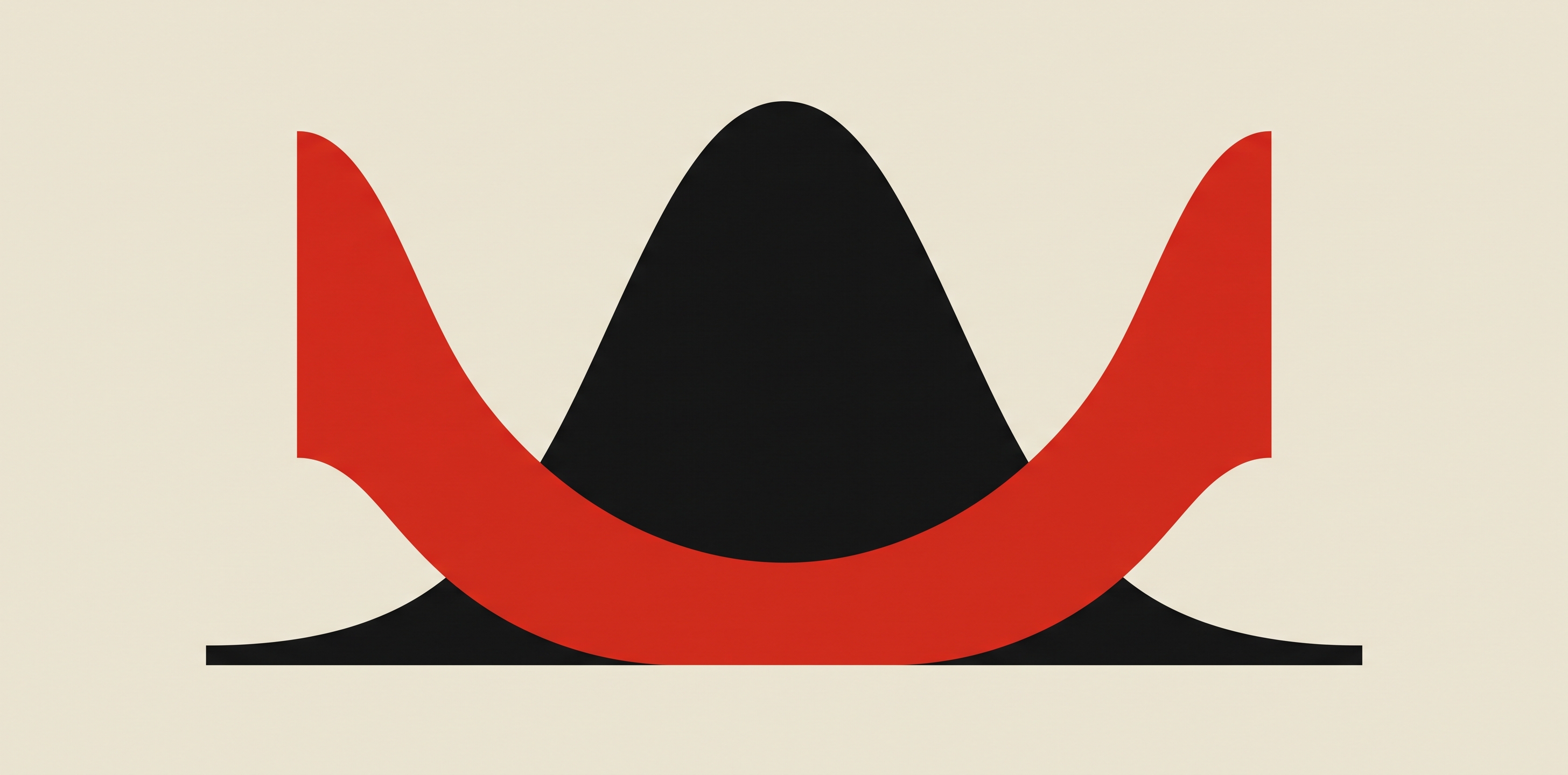
Technology compresses the middle
Each new form does its work on the mass practitioner, the ordinary scribe, the average amateur, the mid-tier professional in the thing it's about to automate. The compression of the middle is what the scare-chorus always identifies, correctly, and always calls the whole story.
It is not the whole story. It is one third of it.
The top gets re-priced
The high end of the old skill does not disappear. It becomes rare enough to be remarkable, and the pricing follows.
The Knowledge Boys still hold twenty-five thousand streets of London in their heads, and charge handsomely for it. Memory virtuosos are more remarked on than at any point in the last century. Mental athletes, Pi champions, people who can pull a specific fact from the shadows while a conversation flows widely and quick. The virtuosic calligrapher has a waiting list. The handmade shoe, the hand-set type, the hand-poured whisky, the hand-cut suit. The handmade thing commands a premium precisely because the mass version collapsed. The top did not vanish. The top got re-priced upward.
The edges regenerate
This is the one the scare-chorus never sees coming. The amateur did not disappear when the gramophone arrived. The amateur moved to the long tail.
YouTube carries ten thousand bedroom guitarists, obscure-instrument lessons, folk revivals, left-handed-ukulele tutorials. Instagram has resurrected penmanship as a global aesthetic economy. Letterpress printing is a growing craft. Vinyl is a growing format. Live concerts have never been more valuable since the moment recorded music was invented. Pen clubs. Pottery. Watchmaking. Every medium the mass version compressed has grown a long-tail amateur economy on the far side of its collapse.
The middle collapsed. The edges grew.
AI will do the same thing
The middle is already compressing. The generic analyst, the template writer, the mid-tier designer, the first-pass translator, the stock illustrator, the junior consultant doing synthesis. All of them are watching the mean move. That part of the scare is accurate.
The top will become more valuable. The expert judgment that reads the room. The taste-maker whose provenance matters. The specialist who can tell when the machine is wrong. The trust broker whose name carries weight. The embodied skill a camera cannot capture. The original thinker whose work has an identifiable fingerprint. All of them are about to become scarcer and more expensive.
The edges will regenerate. The handmade and the slow. The live and the in-person. The aesthetic rebellion against machine output, which is overdue. Niche expertise with small devoted audiences. The local-and-specific over the global-and-generic.
The question is which tail
The scare-chorus will see only the compression. They will tell you the middle is dying and the whole discipline is going with it. They will not be entirely wrong. They will also not be the ones worth listening to.
You cannot save the middle. You can position toward the top, or you can position toward the edges, or you can be the one explaining to the board next year why you did neither.
Plan B works on positioning for the two tails. If your business is in the middle and the compression has started, get in touch.