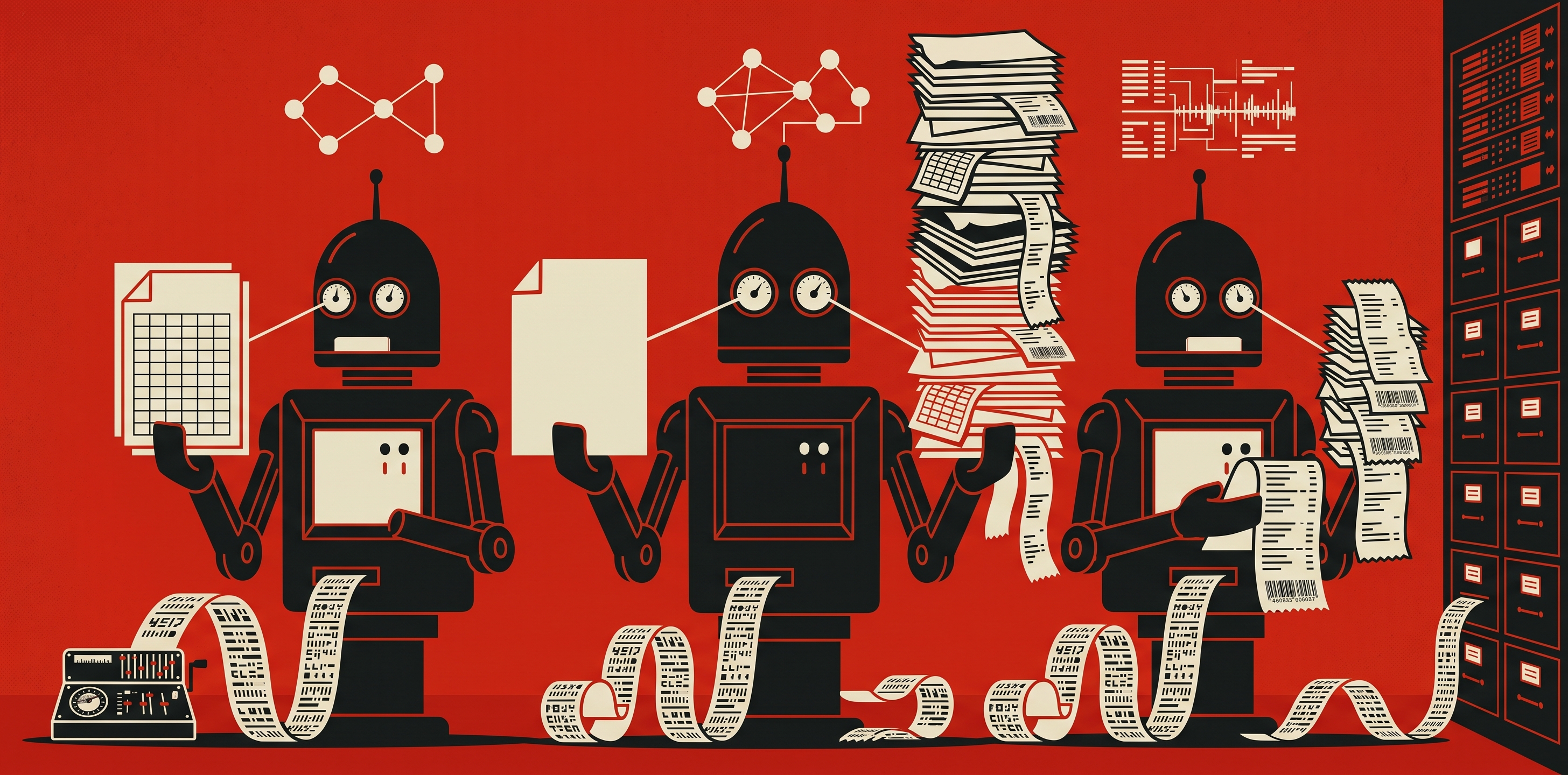
De enda som är ivrigare än amerikanska presidenter att ge sig in i ett krig som inte går att vinna är marknadsföringens tankeledare.
Den senaste offensiven kommer från Andrew Tindall på System1 och Effie Worldwide, vars Creative Dividend-rapport förhandsvisades på Cannes Lions i juni 2025 och publicerades i sin helhet tidigare i år. Datasetet är omfattande: 1 265 kampanjer i USA, Europa, Storbritannien och Irland, från 2007 till 2023. Huvudresultaten är slående. Kreativ kvalitet ensam står för 24,2 % av affärsresultaten. Lägg till mediestöd och siffran stiger till 60,1 %. Inom finansiella tjänster och läkemedel klättrar den över 90 %.
System1:s metodik spelar roll här, för den avgör vad rapporten kan och inte kan se. De använder emotionella responstester — sekundsekund ansiktskodning och känsloenkäter — för att förutsäga långsiktig varumärkestillväxt. Star Rating är resultatet: ett till fem, korrelerat i deras databas med marknadsandelens utveckling. Det är ett välvaliderat verktyg. Men det är också helt byggt kring videoreklam med karaktärer, berättande och emotionell kurva. Tindall erkände i Cannes att "35 % av dem som visades Grand Prix-vinnande annonser inte kunde komma ihåg varumärket." Hans egen inramning: emotion utan varumärke är känsla utan struktur.
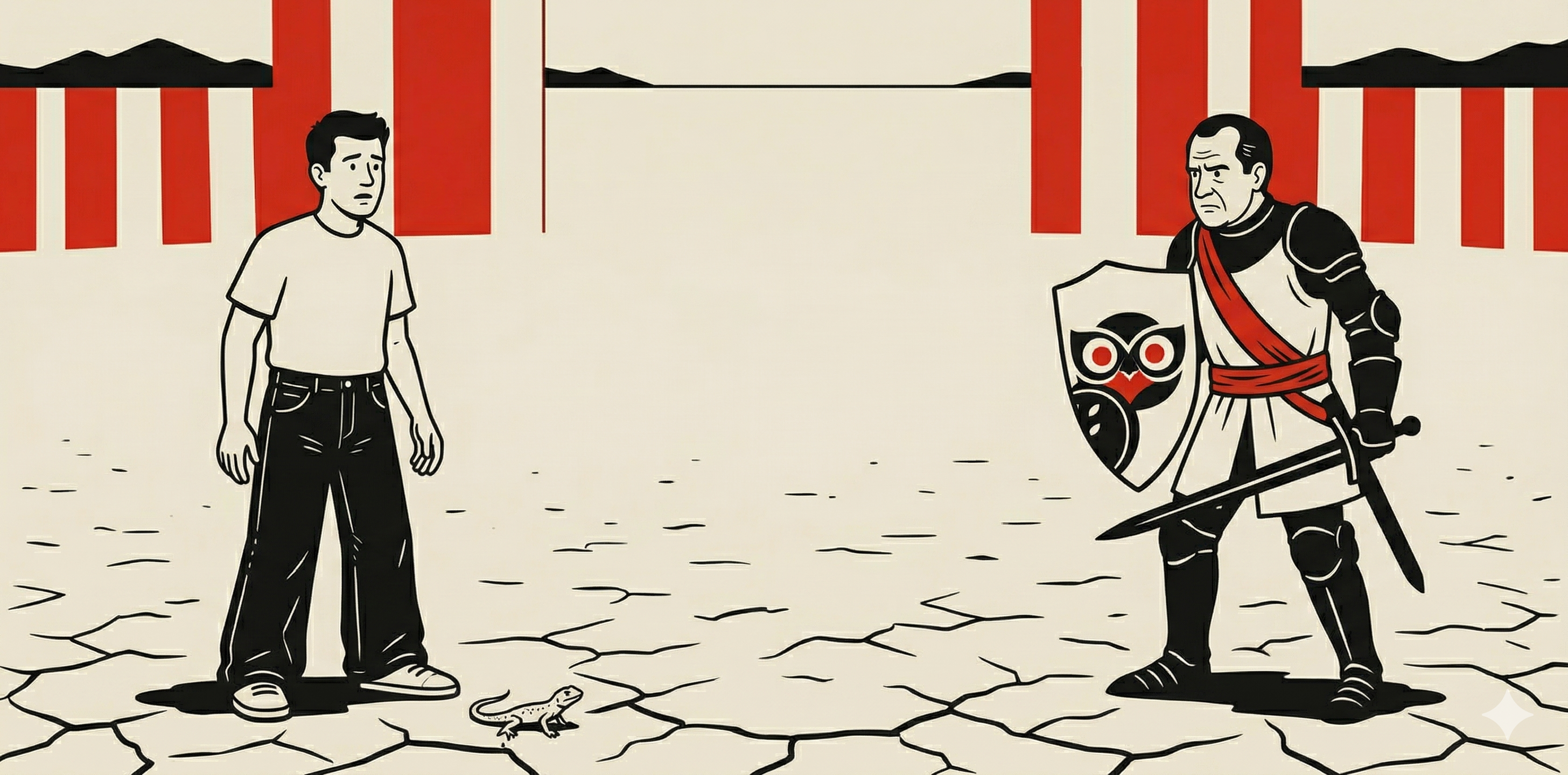
Byron Sharp läste allt detta och förblev oberörd.
Hans artikel i Marketing Week angriper metodiken. Effie- och IPA-databaserna består helt av frivilligt insända fallstudier: kampanjer som byråer tyckte hade en bra historia. Misslyckade kampanjer skickar inte in. Affärseffekter är självrapporterade. Stora initiativ får stora budgetar, bättre talang, mer media, mer butiksstöd, mer ledningsuppmärksamhet och bättre prisansökningsskribenter. Datasetet blandar ihop kreativ kvalitet med varje annan fördel som en välfinansierad kampanj åtnjuter, och ger sedan äran till annonsen.
Sharps analogi: studera bara vinnande lag under en säsong, notera att de alla bad före matchen, dra slutsatsen att bön orsakar seger. De förlorande lagen bad också. Du tittade bara inte på dem.
Han genererade också ett spridningsdiagram med R² på 0,6 från slumpmässiga data, matchande Creative Dividends siffra på 0,61. Hans slutsats: korrelation utklädd till kausalitet, ett metodfel som varje tänkande marknadsförare bör artigt ignorera.
Det finns en bredare poäng här som sträcker sig bortom just denna rapport. Forskning tenderar att spegla antagandena hos den som beställde den. System1 mäter emotionell respons på video. Effie samlar fallstudier från byråer. Frågorna som varje organisation tänker ställa formas av kategorin de verkar i, kunderna de betjänar och slutsatserna som är användbara för dem. Det är inte cynism. Det är bara hur incitament fungerar. Om du beställer forskning ligger arbetet i att designa för svaret du inte förväntade dig, inte det du redan är övertygad om. Bekräftelse är billigt. Överraskning är där värdet finns.
Sharp namnger hunden som inte skällde. I samma artikel pekar han på lanseringen av ChatGPT som ett verkligt exempel på extraordinär affärstillväxt som datasetet strukturellt exkluderar. Ingen Effie-insändning. Inget System1 Star Rating. Ingen emotionellt kodad video. Bara miljoner människor som upptäckte, i realtid, att något genuint nytt existerade. Produkten spreds genom sin egen mening. Mun till mun-kommunikation gjorde resten. Instrumentet kan inte se det för att det inte byggdes för att leta efter det.
Innan det kreativa lägret gör sig alltför bekvämt — Sharp har aldrig sagt att kreativitet inte spelar roll. I How Brands Grow skrev han att reklamens första roll är att bryta igenom — därav kreativitet. Ehrenberg-Bass egen forskning fann att förändring av kreativ kvalitet mer sannolikt flyttar försäljning än förändring av utgifter. Rachel Kennedy, medgrundare av institutet, sa att bra copy driver försäljning och att kreativitet bör vara högsta prioritet. Sharps argument är inte att det inte spelar roll. Det är att siffrorna som används för att bevisa hur mycket som vilar på skakig grund.
Vilket för oss till det verkliga problemet. Båda sidor bråkar om en definition av kreativitet som är för liten för det de försöker beskriva.
Kreativa människor är ökänt bra på att ta illa upp när deras specifika version av hantverket inte ges tillräcklig vikt. Ironin är att människorna som högst argumenterar för kreativt tänkande har tillämpat nästan inget av det på definitionen av kreativitet själv. De har valt ett uttryck för saken — den korta emotionella filmen — byggt en mätinfrastruktur runt den, och börjat försvara infrastrukturen som om den vore saken själv.
Det är den inte.
Kreativitet är varken ett format eller ett medium. En produkt som omramar vad programvara kan göra är kreativ. Ett prisbeslut som tar bort barriären för att prova är kreativt. Ett namn som får en kategori att kännas annorlunda är kreativt. Det är inte metaforer. De är ofta de mest betydelsefulla kreativa handlingar ett företag kan göra, och de är osynliga för instrument byggda för att betygsätta trettio sekunders video.
Måttet definierar territoriet. Om du bara kan mäta emotionell respons på film blir film din definition av kreativitet, och allt annat — strategi, produkt, pris, distribution — blir någon annans problem. Delarna som ackumuleras lämnas utanför modellen.
Detta är inte ett argument mot emotionell reklam. Det är ett argument för att tillämpa samma kreativa ambition på frågan om vad kreativitet faktiskt är.
Den mest användbara definitionen, över alla dessa former: kreativitet är upptäckten eller uppfinningen av mening.
Under denna definition är ChatGPT:s tillväxt inte en anomali. Det är argumentet i sin klaraste form. En ny delad mening om vad datorer kan göra för människor spreds i en takt som ingen mediaplan kunde matcha. Räckvidden var förtjänad för att meningen var verklig.
Frågan som är värd att ställa innan nästa brief är inte om arbetet kommer att få bra poäng i ett emotionellt engagemangstest. Det är om du skapar något meningsfullt nog att resa på egen hand.