در ساحلی خشک از رودخانهی تورکوِل در شمال کنیا، حدود صد و هشتاد کیلومتر غرب دریاچهی تورکانا، سنگهایی به شکل قطرهی اشک پراکندهاند که انسانها ۱٫۷۶ میلیون سال پیش ساختهاند.
این محل کوکیسِلِی نام دارد. بهجای زمین خشک امروزی، آن زمان ساحل جنگلیِ رودخانهای در حاشیهی دریاچهای بزرگ بود، در ساوانی خشکومرطوب که پر بود از اسبهای آبی، فیلها، و انسانهایی که این ابزارها را بهجای گذاشتند. این سنگها دو-وجهیاند: هر دو رویشان کار شده، بهدقت متقارن، در لبهها نازک، در میان کلفت، آنقدر کوچک که در یک یا دو دست جای بگیرند. ویکتوریاییهایی که نخستین بار ابزارهای مشابه را در اروپا ردهبندی کردند آنها را تبر دستی نامیدند؛ گمانی دربارهی کارکرد که اسناد باستانشناسی هرگز آن را قطعی نکرده است.
دلیلِ اهمیت آنها این نیست که وجود دارند؛ این برای سنگ چیز عجیبی نیست. دلیل این است که همان طرح، بیش از یک میلیون سال بعد، در قارهای دیگر، به دست انسانهایی که از نظر زیستی همسانِ سازندگانِ اصلی نمیشناسیمشان، تقریباً به همان شیوه ساخته میشد. این سنت چیزی حدود ۱٫۷ میلیون سال دوام آورد. این بیش از سیصد برابرِ گسترهی تاریخ ثبتشدهی ماست.
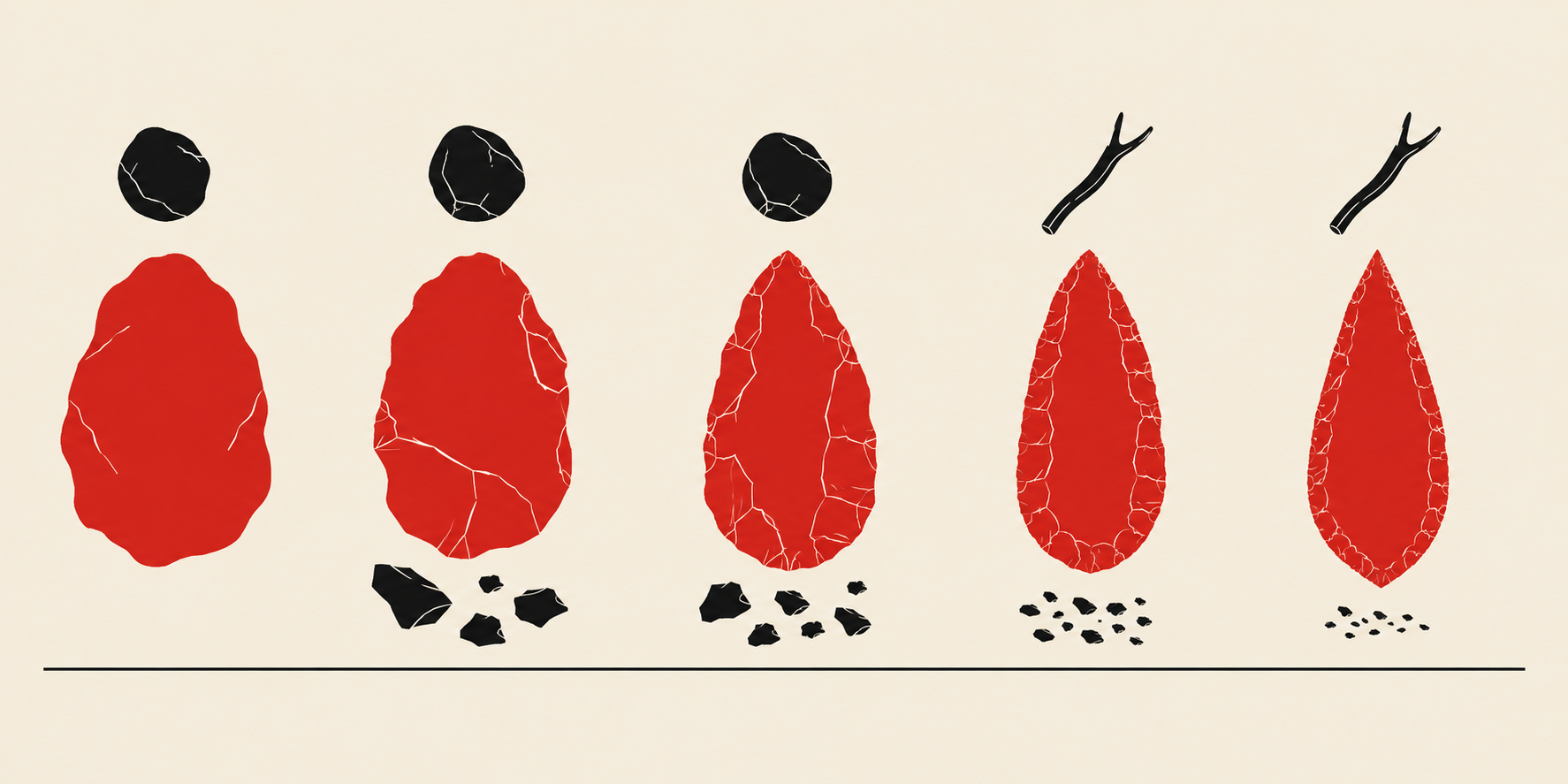
در یک عمر نمیتوان یک دو-وجهی را اختراع کرد. ساختنش این را میطلبد که به قلوهسنگی به اندازهی مشت از چخماق یا چرت نگاه کنی و از پیش، ابزارِ درونِ آن را ببینی. سپس باید پولکها را با توالی معیّن، زاویهی درست، ضربهای با نیرویِ درست، و بهتناوب از دو طرف جدا کنی تا قطعه متقارن و نازک بماند. یک ضربهی نابهجا میتواند تمام کار را خرد کند. راههای شکست بیش از راههای موفقیت است.
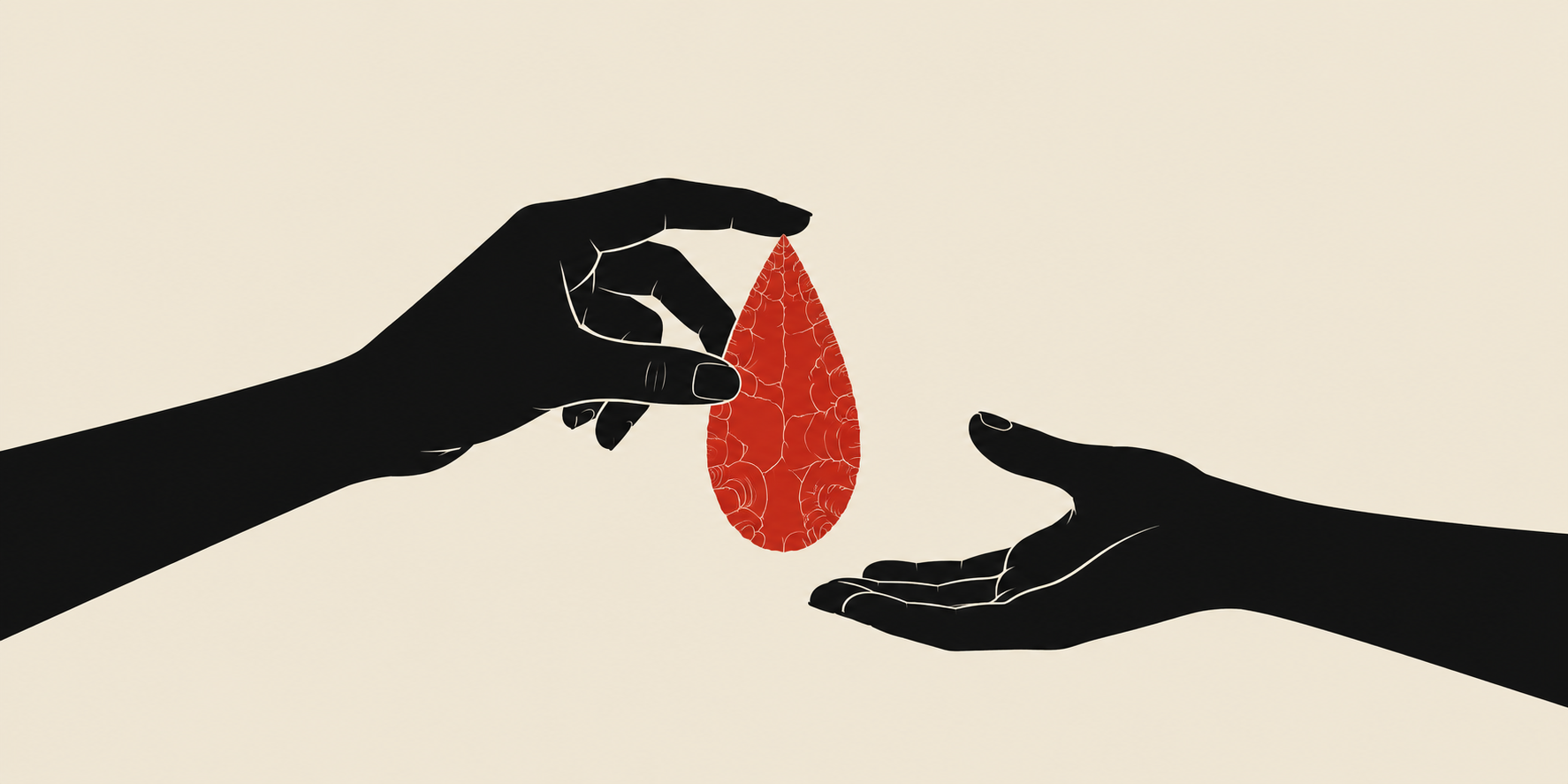
و این یعنی هر دو-وجهیای که تاکنون کشف شده، نمایندهی زنجیرهای از آموزش است که به درازای یک عمر نگسسته است. کسی باید به دیگری نشان میداد. احتمالاً نه با کلمات، چون نمیدانیم زبانِ گفتاری چه زمانی پدید آمد، بلکه با نمایش، تصحیح، و تکرارِ صبورانه. و کسی که آموخت، همان کار را برای نفرِ بعد، و نفرِ بعد از او، انجام داد؛ و این توالی چنان پایدار ماند که وقتی این طرح سرانجام حدود ۲۰۰٬۰۰۰ سال پیش از جعبهابزار محو شد، بیش از دوران وجودِ گونهی ما، فناوریِ مسلطِ تبارِ انسان بوده است.
این نخستین ایدهی مسریای است که برایش شواهد داریم. نخستین چیزی که آنقدر خوب بود که نشود برنداشت و منتقل نکرد. پیش از نوشتار، پیش از کشاورزی، پیش از اسطورههای گردِ آتش، طرحی در سنگ بود؛ در ذهنِ یک نفر جای میگرفت، به ذهنِ دیگری منتقل میشد، و با کنشِ سادهی نشاندادن حفظ میشد. این جوهرِ انسانبودن است، و از آنچه ما بهعنوان انسان میشناسیم، بیش از یک میلیون سال کهنتر است.
ماشینها پرسشِ ایدههای بهارثرسیده را دوباره به سطح آوردهاند. حالا نگرانیم که چه چیزی متعلق به کیست، چه کسی نخست آن را اندیشیده، و زبانِ چه کسی در محاسبهی توکنِ بعدیِ محتملِ مدل، میانگینگیری میشود. اینها پرسشهای بهجاییاند، اما روایتهایی تازه از پرسشی بسیار کهناند. ایدهها همیشه سفر کردهاند. همیشه در دستِ نگهدارندهی بعدی از نو ساخته شدهاند. دو-وجهی بهمدت یک و نیم میلیون سال، بیگسست، به دستِ گونهای پیش برده شد که نمیتوانست بنویسد و شاید توانِ سخنگفتن هم نداشت.
هر چه دربارهی کاری که ماشینها با اثر شما میکنند نگران باشید، انسانها مدتهاست همان کار را با اثرِ یکدیگر میکنند.
بخش نخست از مجموعهای کوتاه دربارهی چگونگیِ سفرِ ایدهها. بخش دوم، دربارهی آنچه هنگامِ خواندنِ نوشتهی شما به دستِ ماشین رخ میدهد، هفتهی آینده منتشر میشود. Plan B برندهایی میسازد که برای پایداری در انتقال به بعد ساخته شدهاند. تماس بگیرید.