PLAN

ISN'T SAFE.

Plan B — Plan isn't safe.

The bottleneck is the thinking. Not the budget. Not the brief. The thinking.

Sharp enough to cut through, specific enough to travel, honest enough to hold when the market shifts and the scrutiny sharpens.

Most strategy produces ideas no one hates. No one loves them either. They arrive on time, stay inside the guardrails, and change nothing.

Plan B exists for the work that has to change something.

Plan B delivers growth and margin for businesses at inflection points: new markets, corporate reinvention, AI disruption, sustainability under commercial scrutiny. The work is grounded in research and market understanding before it becomes communications. Because strategic marketing that starts with the message before the insight is just noise in a new format.

Getting it wrong is not an option. Getting it right changes the trajectory.

Get in touch

The work.

The work tends to arrive at inflection points. A company mid-transformation. A brand entering a market that does not know it yet. A category ready to be broken. Here is some of it.

Unifying a company in the middle of a transformation

Fortescue had grown two businesses that the market could not reconcile: Fortescue Metals Group, the iron ore giant, and Fortescue Future Industries, the green energy play. The answer was not messaging. It was architecture. Ben led the strategy to bring both businesses under a single Fortescue brand, with a new green circle mark connecting metals, energy, and technology as one coherent identity. The work gave investors, partners, and governments a single story to hold, at a moment when the company needed the market to believe it before the revenue proved it.

Introducing a green energy contender to a global audience

New energy brands do not arrive with permission. They earn it, or they do not. Ben led the creative strategy for a Rick and Morty partnership that gave Fortescue access to one of the most culturally connected media properties on the planet. The brief was to make the brand feel real to an audience that had never heard of it. It did that, and moved faster than the category expected.

Launching a brand on the biggest stage in the industry

MINEX is the largest mining event in the world. Fortescue used it to do two things at once: launch the T236 electric mining truck in partnership with Liebherr, and present the new unified Fortescue brand to the global mining audience for the first time. Ben led the brand strategy and launch creative. The visual language broke every convention the category had settled into. The room noticed.

Finding the entry point a market actually responds to

Shanghai, mid-2000s. A wholly foreign-owned enterprise, a publishing operation built to understand the market from the inside, and a simple working principle: find where a brand can earn genuine cultural permission before it tries to compete. For a New Zealand spirits brand entering China, that meant targeting emerging artists, architects, and advertisers before they became prominent, and building moments that made the local audience feel at home while making Western competitors feel exposed. The brand took hold. The competitors noticed.

If you want to understand what this looks like for your problem, the best place to start is a conversation.

Get in touch →

How it works.

The bottleneck is never the budget. It is rarely the brief. It is almost always the thinking that happens before either of those things exists.

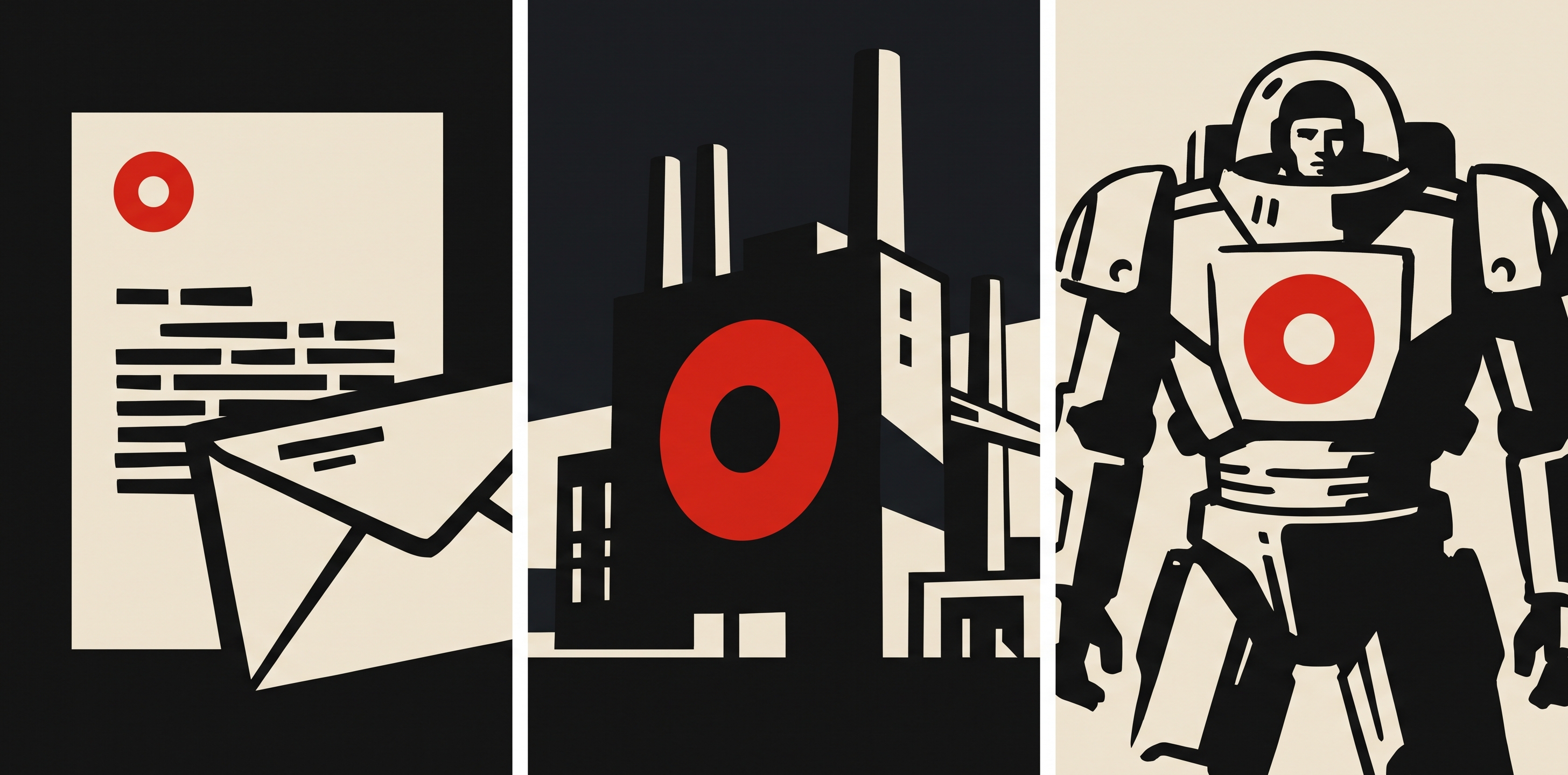
Plan B works across three modes, depending on what the problem actually requires.

Start a conversation

Common questions.

How does an engagement start?

With one of the best conversations you have had about your business. From there, Ben scopes a proposal specific to the problem. No standard packages. Every engagement is defined by what the work actually requires.

What kinds of organisations does Plan B work with?

Size matters less than the stakes. Plan B works with large corporates navigating transformation and ambitious founders scaling into new territory. The right fit is an organisation with a complex problem that needs genuine strategic thinking, not a template.

Does Plan B offer retainers?

The Right Hand is an ongoing engagement built around a clear set of goals. It operates as a full embed, not an advisory arrangement at arm's length. Two at any one time. Beyond that, Plan B works on a project basis: scoped, delivered, and closed.

How long does a project take?

An Edge Study completes in 90 days or less. A Market Intervention is scoped to the scale of the idea, but urgency is built into how Plan B works: assembled fast, focused hard, delivered clean. The Right Hand runs for as long as the work requires. Timelines are defined by what the problem needs, not what is convenient.

Writing.

Thinking published. Not content. Not thought leadership. Just things worth saying, said as well as possible.

All writing →

Ben.

Ben Shipley has spent twenty years figuring out why some brands take hold and others do not.

It started in Shanghai. After an early career that felt too safe, he moved to China, established a wholly foreign-owned enterprise, and spent years working out how brands earn permission in a market that does not respond to Western assumptions. The clients ranged from emerging Chinese companies to international brands trying to find a foothold. The lesson was the same in every case: cultural credibility comes before commercial credibility, and you cannot fake either.

From Shanghai, Ben moved into agency leadership. At Hill+Knowlton he led creative and digital strategy across APAC, building the kind of senior relationships that only come from being in the room when the decisions are made. At Ovato, he ran marketing and innovation for Australia's largest print company through a period of serious disruption, when the category itself was shrinking and the question was not how to grow but how to stay relevant long enough to reinvent.

The Fortescue years defined what Plan B became. Ben led global creative strategy as Fortescue transformed from iron ore giant to green energy contender, unifying two separate businesses under a single brand, across 90 countries, through one of the most complex repositioning challenges in recent Australian corporate history. The work demanded rigour, speed, and the willingness to hold a position when the easier path was to hedge.

Plan B exists because that kind of thinking should not only be available to the organisations that can afford a large agency. It should be available to any organisation with a complex problem and the seriousness to solve it.

Ben is based in Sydney. The work is not.

Full bio →